
You’ve poured your heart and soul into your business. You know your product is top-notch. So, you threw a website up because everyone said you had to, but is it just sitting there, not really doing much? You might be wondering why website design is important when you’ve already got a great service.
Many small business owners think a website is just a digital business card, a place to list shop hours and phone numbers. That thinking is costing you customers and sales. It’s so much more than that, and this is why website design is important for real growth.
Table Of Contents:
- First Impressions Happen in a Blink
- Good Design Builds Instant Trust
- User Experience is Your Best Salesperson
- Conversion: Why Website Design is Important for Your Sales
- The Connection Between Web Design and SEO
- Staying Ahead of Your Competition
- Conclusion
First Impressions Happen in a Blink
Think about meeting someone for the first time. You make a quick judgment. It happens so fast you don’t even notice. Your website is no different, and you actually have less than a second to make a good impression on site visitors.
Research has shown it takes about 50 milliseconds for a visitor to form an opinion about your website. That’s it, a literal blink of an eye is all you get. In that moment, a person decides if your site is trustworthy, professional, or worth their time.
A visually unappealing or outdated design style can cause people to leave before your page even finishes loading. Your brand image is judged instantly based on these first visual cues.
A professional web design is your opening statement to a potential customer.
Good Design Builds Instant Trust
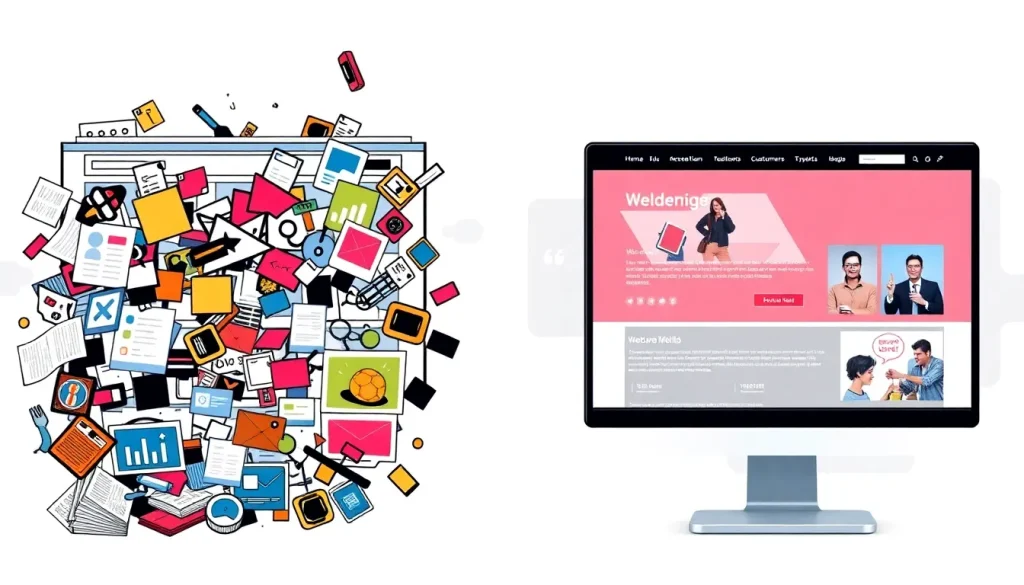
What does your website say about your business? A clean, modern, and professional web presence tells visitors you are a serious and credible business.
Imagine walking into a messy, disorganised shop. You likely wouldn’t feel comfortable buying something there. The same logic applies online, where the visual organisation of your designed website directly influences a customer’s perception of your brand.
A website with a clunky layout, pixelated images, or clashing colours screams amateur. People will hesitate to give their personal information or credit card details on a site that looks untrustworthy. A great design helps people feel safe and is the first step to building trust with your target audience.
User Experience is Your Best Salesperson
Have you ever been on a website and felt totally lost? You couldn’t find the menu, the text was too small, and you just gave up in frustration. That’s a bad user experience, or UX for short, and it’s a guaranteed way to lose potential business.
Good UX is about making your site easy and enjoyable to use. It works silently in the background, guiding people where they need to go without them having to think too hard. You want them to feel smart and successful when using your site, not confused and annoyed.
The goal is to provide a good experience for every website customer. When users can find what they need effortlessly, they are more likely to stay on your site longer. This extended engagement gives you more opportunities to convert them into a lead or a sale.
The Massive Cost of a Bad Experience
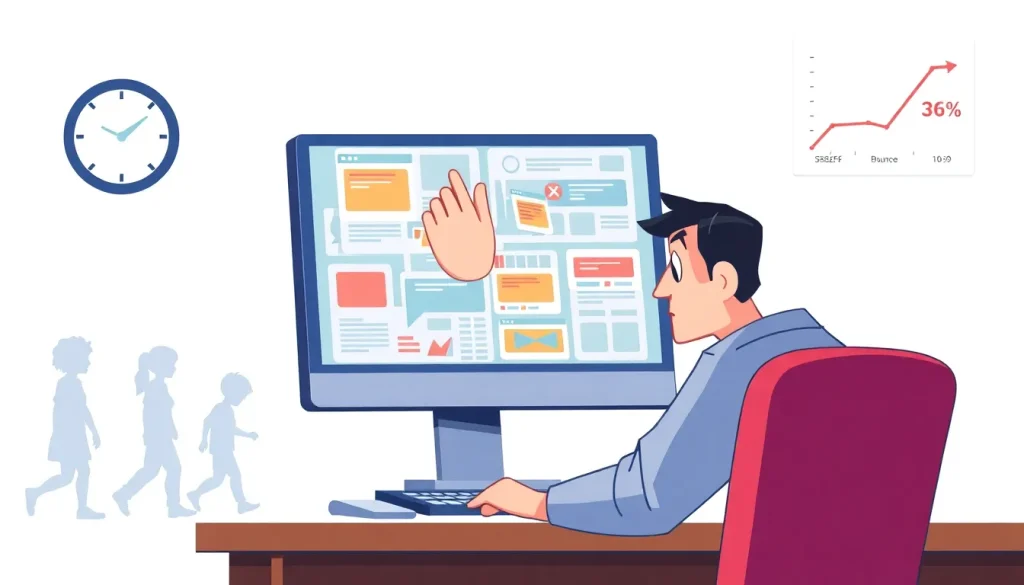
If your website is confusing, people will leave. Fast. This is called a ‘bounce’, and it’s a clear signal to both you and search engines that something is wrong with your site’s design.
Studies from Google show that as page load time goes from one second to three seconds, the probability of a bounce increases by 32%. A frustrating experience doesn’t just lose you a visitor for that moment. An audience won’t give you a second chance, losing you a customer for life because they probably won’t be back.
People have short attention spans online. A poorly designed website that’s hard to use disrespects their time. The damage to your brand’s reputation can be difficult to repair.
Navigation Should Be a No-Brainer
People who visit your site have a goal. They want to find information, buy a product, or contact you. Your website’s job is to make that as easy as possible with simple navigation.
This means your menu should use clear, predictable language, and your contact details should be obvious. A visitor should never have to guess where to click next. Key elements like a search bar and a clear call-to-action on each page are vital parts of a successful website.
When everything is right where they expect it to be, they feel more comfortable. This subconscious comfort level helps to build trust and keeps them moving smoothly toward a sale. Your marketing strategy should always prioritise making navigation simple for every user.
Conversion: Why Website Design is Important for Your Sales
Let’s talk money, because a good website design isn’t just about looking pretty. It’s about getting more sales and improving your conversion rates. This is one of the most compelling reasons web design is a critical business investment.
A well-designed website guides visitors towards taking a specific action. This could be filling out a contact form, signing up for a newsletter, or buying a product. These actions are called conversions, and every part of your design should support them.
Every choice a web designer makes, from colour psychology to font selection, can influence user behaviour. Your website’s design is a powerful tool in your digital marketing arsenal. It’s time to start treating it as such.
Creating a Clear Path for Your Customers
Have you ever noticed how some buttons just seem to grab your attention? That’s not an accident. That’s good design at work, using visual hierarchy to direct focus.
Things like colour contrast, button size, and strategic placement of web design elements are all used to draw the eye. This creates a visual path for the user to follow, leading them right to the ‘Buy Now’ or ‘Contact Us’ button. Don’t forget the small details, as they often have the biggest impact.
Without a clear visual hierarchy, your most important elements get lost in the noise. Your visitor is left confused about what to do next, so they often choose to do nothing. Proper web design practices clear the clutter and present a straightforward path to conversion.
Mobile Design Isn’t Optional Anymore
How many times did you grab your phone in the last hour? Chances are, you use it to browse the internet more than you use desktop computers. Your customers are the same, and your website must cater to them.
More than half of all web traffic now comes from mobile devices. If your website is hard to use on a small screen, you’re alienating a massive part of your audience. This is where a responsive design becomes absolutely essential for any modern business.
Google also knows this, which is why its search engine now ranks websites based on their mobile version first. A bad mobile design doesn’t just annoy users; it actively hurts your ability to get found online. A properly designed, responsive website is no longer a luxury but a necessity for online visibility.
Working with a professional web design agency can help you get this right. They understand the nuances of creating a seamless experience across all devices. The right design agency can build a website that functions perfectly on a phone, tablet, or computer.
| Factor | Bad Design Impact | Good Design Impact |
|---|---|---|
| Clarity | User is confused and leaves. | User finds what they need easily. |
| Trust | Site appears unprofessional. | Business appears credible. |
| Navigation | Visitor gets lost and frustrated. | Visitor is guided to their goal. |
| Mobile | Site is unusable on phones. | Site works great on all devices. |
| SEO | Hurts search engine rankings. | Improves online visibility. |
The Connection Between Web Design and SEO
You want your website to show up on the first page of Google, right? This is called Search Engine Optimisation, or SEO.
You might think it’s all about keywords and technical stuff from your SEO services provider. But a huge part of modern SEO is actually about user experience. Google wants to send its users to websites that are helpful, trustworthy, and easy to use. This means your website’s design has a direct effect on your rankings.
The relationship between design and SEO is deep. Good web development practices result in clean, structured code that is easy for a search engine to crawl and understand. This technical foundation, established during the design and build phase, is critical for online success.
Page Speed Is a Core Part of Design
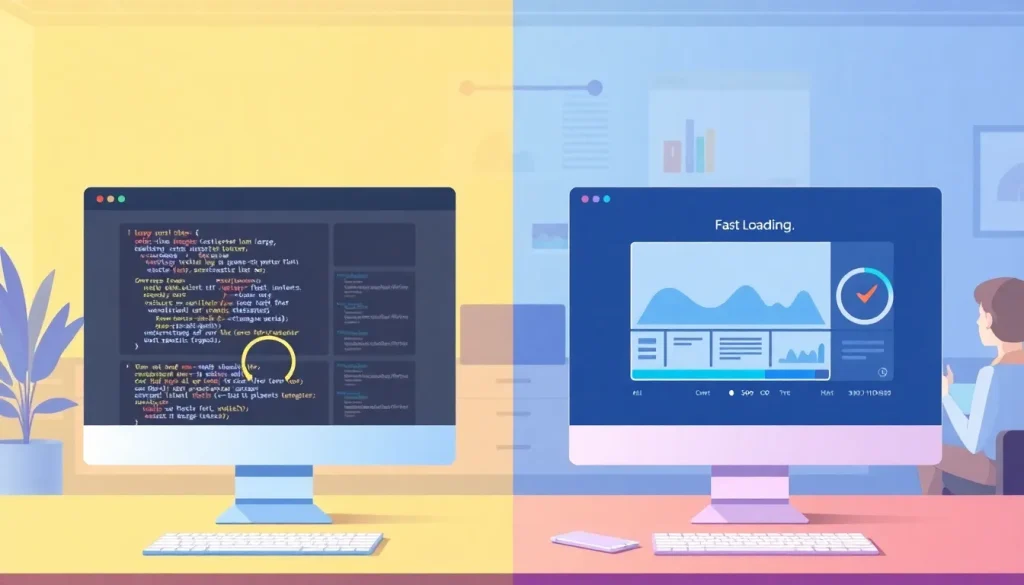
Nobody likes a slow website. A slow site is often the result of poor design choices made during the web development process. Things like large, uncompressed images or messy code can really bog things down.
Google has made page speed a critical ranking factor. They measure it with something called Core Web Vitals, which looks at how quickly your page loads, becomes interactive, and maintains visual stability. A slow website that’s frustrating to use will be penalised in search results.
A fast website is a better experience, so Google rewards it with better rankings. And speed is something you control with smart design choices from the very beginning. Proper web design practices include optimising all media and code for performance.
Good Design Makes People Stick Around
When someone lands on your site from a Google search, how long do they stay? This is called ‘dwell time’, and it’s a huge signal to Google about the quality of your page.
People judge your content and design very quickly. If someone clicks your link, takes one look, and immediately hits the ‘back’ button, it tells Google your page wasn’t a good answer to their question. But if they stay for a while, clicking around and reading your content, it shows Google you have something valuable, relevant and helpful.
What keeps people on a page? A clean layout, easy-to-read text, engaging images, and helpful videos all add elements that create a better user session. All of these are key elements of your website’s design, created by skilled web designers.
Staying Ahead of Your Competition
Take a moment and look at your main competitors’ websites. How do they look? Are they clean, modern, and professional, or are they clunky and outdated?
Your potential customers are definitely looking, and they are comparing your business to the alternatives. An outdated website can make your entire business seem out of touch. A beautifully designed website, however, can make your website stand out from the crowd.
It suggests you aren’t keeping up with the times, which may make customers question the quality of your products or services. But a modern, beautiful design positions you as a leader in your field. It can be the one thing that makes a website customer choose you over someone else.
A strong digital presence, supported by effective social media and other channels, starts with a great website. Your site is the central hub of your digital marketing efforts. Investing in professional web design services is an investment in your brand’s future relevance and success.
Conclusion
A website is far more than a simple online placeholder for your business. It is your most important salesperson, your first impression, and your brand’s digital home. This is why website design is important; it’s the foundation of your entire online presence.
A good design builds trust, helps you get found on Google, and creates a great user experience that leads to sales. Treating your website’s design as a critical investment in your business will pay dividends for years to come.