

Learning how to create a website for a travel business allows entrepreneurs to select a clear niche, register a custom domain, and choose a scalable content management system. Next, install an intuitive reservation engine, integrate secure payment options, and organize trip packages across popular travel destinations. Finally, improve page loading speed, set up local business profiles, and publish informative articles to attract online bookings from qualified travelers.
Establishing an authoritative online presence requires thoughtful planning, technical reliability, and clear messaging across all marketing channels. Vacationers and corporate travelers research travel arrangements on computers and smartphones before buying packages or booking private consultations. A modern travel agency must deliver immediate answers, transparent itineraries, and simple communication channels to win reservations and elevate the customer experience.
Data from the U.S. Travel Association indicates that digital channels drive billions in travel spending annually. When you build a modern travel business website, you establish authority and create an efficient system for capturing leads. According to research published by the World Travel & Tourism Council, digital adoption continues to reshape the global travel industry at an unprecedented pace. This comprehensive guide outlines the practical technical requirements, design standards, and marketing integrations travel businesses need to succeed.
Building a successful travel agency business begins with understanding your specific target audience. You must identify whether you cater to corporate executives, families, adventure seekers, or luxury vacationers. Analyzing specific customer preferences allows you to shape your unique selling proposition and define distinct marketing messages that convert casual visitors into loyal clients.
Selecting the right technical framework forms the foundation of any digital enterprise. Many travel businesses choose flexible content management platforms such as WordPress, while others prefer all-in-one website builders like Squarespace or Shopify. Regardless of your platform, your core infrastructure must deliver responsive mobile layouts, enterprise-grade data security, and seamless booking capabilities to streamline your agency business operations.

Modern travel agents must also examine how software integrations streamline day-to-day reservations. Aligning your website with automated customer relationship management systems ensures that potential clients receive rapid confirmations. When you deliver a dependable online experience, travelers feel confident booking expensive vacation itineraries directly through your portal.
Furthermore, evaluating third-party inventory suppliers represents a vital technical milestone during platform evaluation. Global distribution systems and boutique consolidators provide live room availability, airline tickets, and private excursion access. Integrating these inventory feeds through standardized application programming interfaces enables your business to display accurate rates without manual pricing updates.
Website maintenance requirements should also influence your ultimate choice of technical infrastructure. Hosted software platforms manage server updates, database optimization, and core system patches on your behalf automatically. Conversely, self-hosted content management systems demand proactive routine maintenance, though they grant complete programmatic freedom over booking architecture and transactional databases.
Essential Technical Features for Travel Agency Websites
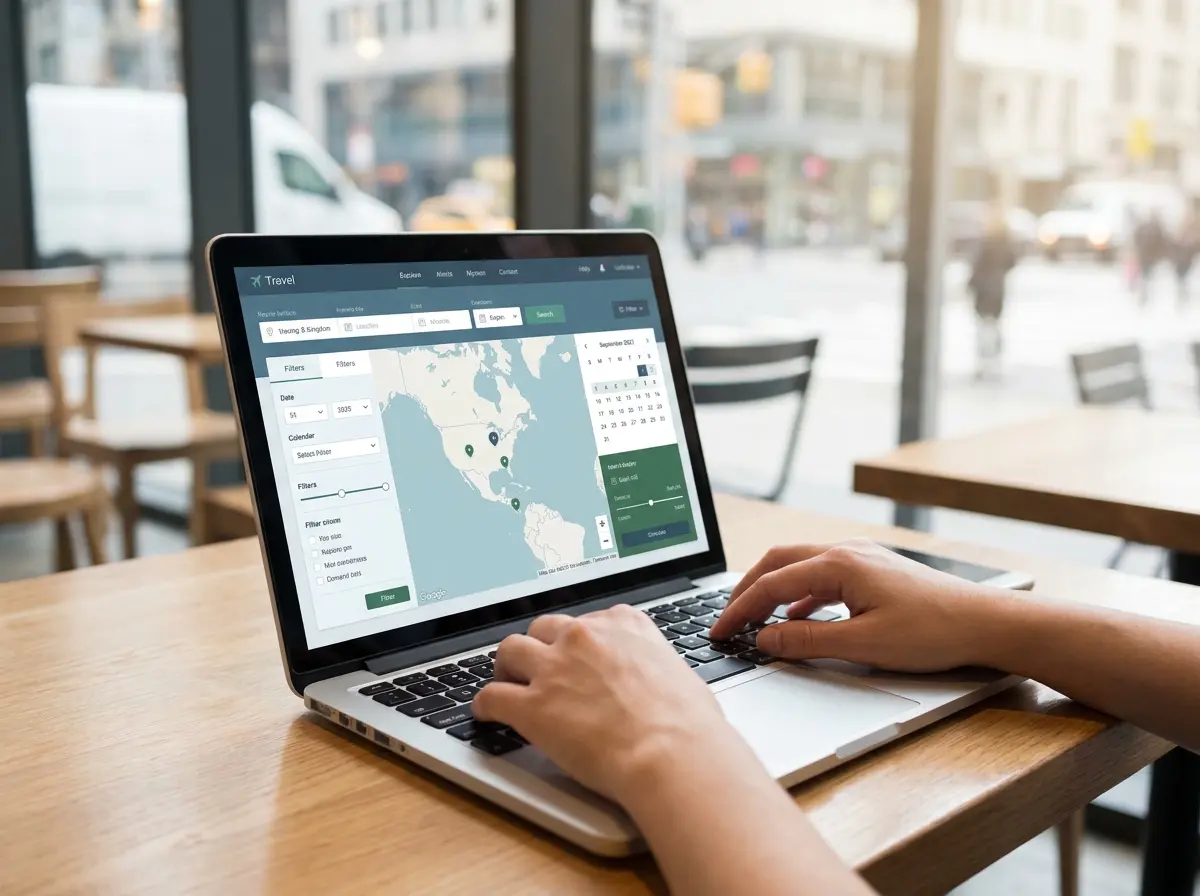
High-performing travel agencies require comprehensive digital capabilities to facilitate smooth customer interactions. A central requirement is a robust booking engine capable of managing dynamic pricing, real-time seat availability, and multi-currency transactions. When clients actively evaluate vacation itineraries, clear scheduling calendars and upfront costs reduce booking friction significantly.
Transparent communication safeguards your reputation while cultivating lasting consumer confidence. Prominently display customer testimonials, verified licensing credentials, and comprehensive travel insurance options throughout your website to build trust. Clear navigation paths enable potential customers to explore detailed travel tips, package inclusions, cancellation terms, and optional guided tours effortlessly.
Optimizing checkout workflows and payment verification creates an effortless customer experience that encourages repeat bookings and positive online reviews. Travel purchases represent major emotional and financial commitments for families and professionals alike. Implementing instant confirmation emails, downloadable trip vouchers, and automated text notifications reassures clients that their holiday reservations remain secure.
In addition, dynamic search filters represent a mission-critical utility for agencies featuring expansive catalog offerings. Travelers expect intuitive filters based on departure dates, travel styles, budget ranges, and physical activity tiers. Providing sophisticated filtering controls saves valuable research time and matches prospective holidaymakers with their ideal tour packages rapidly.
Core Website Components for Modern Travel Agencies
- Interactive Itineraries: Comprehensive schedules highlighting accommodations, transport arrangements, and daily activities to enrich the overall travel experience.
- Secure Payment Gateways: Integration with trusted processors such as Stripe, PayPal, and Apple Pay to provide services securely to domestic and international clients.
- Live Inquiries and Messaging: Real-time chat tools and dynamic inquiry forms that capture questions from potential clients browsing specific destination packages.
- Customer Account Portals: Personalized user dashboards where travelers can access tickets, download receipts, and review upcoming trip milestones.
- Multi-Currency and Language Switchers: Automated regional toggles that accommodate international vacationers by displaying domestic currencies and translated itineraries.
- Interactive Destination Maps: Custom geographic mapping features that plot daily route waypoints, landmark visits, and hotel locations for clear visual orientation.
Step-by-Step Guide on How to Create a Website for a Travel Business
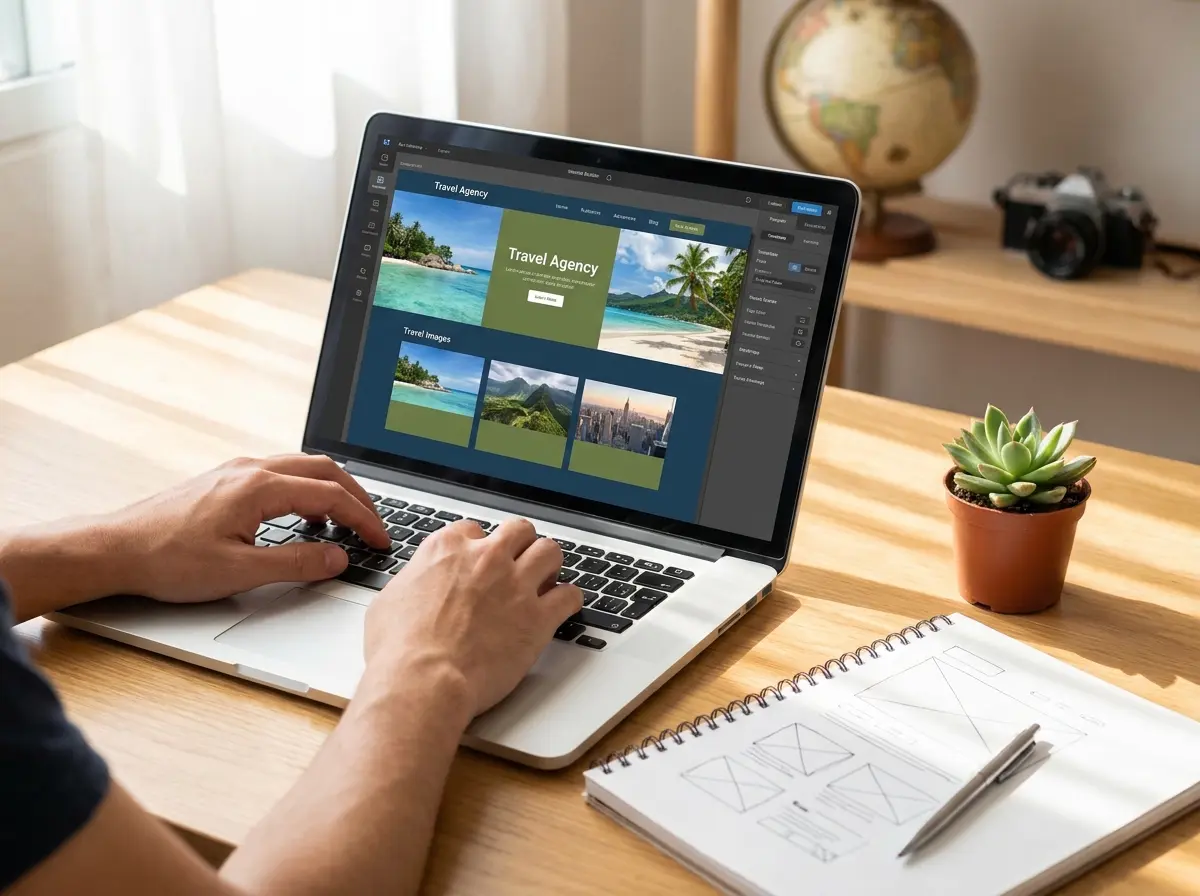
Executing an orderly rollout prevents costly redesigns and technical setbacks down the road. Every travel agency must prioritize speed, visual beauty, and mobile navigation during initial development. Following an established framework ensures your website meets the rigorous operational demands of the modern travel industry.
Step 1: Define Your Niche and Target Audience
Pinpointing an exact market niche prevents your brand from competing head-to-head with impersonal multinational booking engines. Travel businesses that specialize in eco-tourism, culinary tours, or corporate retreats command higher booking margins and enjoy greater customer loyalty. Defining your unique selling points early ensures that all marketing efforts speak directly to the travelers most likely to book with you.
Conduct in-depth market surveys and study competing vacation offerings to identify underserved consumer segments. Formulate detailed buyer personas that document typical travel budgets, booking habits, preferred accommodation tiers, and recreational passions. These analytical insights provide practical direction when designing package tiers and composing persuasive copywriting throughout your site.
Step 2: Secure Your Domain and Select Reliable Hosting
Your web address serves as the front door to your travel business. Choose a concise, memorable domain name that reflects your company name and establishes professional credibility. High-performance hosting from established providers guarantees minimal downtime and rapid loading speeds across global networks.
Invest in managed cloud hosting solutions that offer scalable server resources during seasonal traffic surges. Travel bookings frequently spike during major holiday periods and targeted promotional campaigns. Reliable cloud architecture ensures that your reservation checkout flow remains accessible, preventing frustrating server timeouts when clients submit credit card details.
Step 3: Design High-Converting Destination Pages
Each destination page must offer comprehensive travel details, high-resolution imagery, and practical logistics. Highlight local landmarks, cultural attractions, dining recommendations, and curated excursions to immerse readers in the destination. Clear calls to action on each page prompt potential clients to initiate inquiries or finalize bookings without hesitation.

Incorporate day-by-day trip overviews that clearly outline included amenities, transit arrangements, and optional excursions. Transparency eliminates uncertainty and builds client confidence throughout their purchasing process. Supplement itinerary outlines with downloadable PDF versions so travelers can review detailed trip notes with family members or travel companions offline.
Step 4: Integrate Booking Software and Payment Gateways
Configuring a dedicated reservation engine transforms an informational showcase into an active revenue engine. Select software solutions that synchronize calendar availability across direct channels and third-party sales networks automatically. Real-time synchronization eliminates double bookings and guarantees that your listed departure dates reflect actual capacity.
Pair your reservation portal with established merchant accounts that process transactions securely across multiple currencies. International holidaymakers appreciate viewing accurate pricing in their home currency while benefiting from localized payment methods. Ensuring comprehensive compliance with global data privacy and credit card security protocols builds unquestioned commercial credibility.
Step 5: Conduct Rigorous Usability and Device Testing
Thorough testing across desktop, tablet, and mobile platforms verifies that navigation elements operate flawlessly under realistic conditions. Test inquiry submissions, shopping cart operations, currency conversions, and automated confirmation emails before launching your portal publicly. Resolving mobile interface anomalies ensures prospective vacationers experience zero technical frustration while browsing your tour catalog.
Visual Identity and Social Media Integration for Travel Agencies
Travel is an intrinsically visual sector where inspirational photography and storytelling motivate purchasing decisions. High-quality imagery and video tours help potential clients visualize their upcoming vacation long before departure day. Integrate clean typography and balanced color palettes that reflect the luxury, comfort, or adventure your travel agency promises to deliver.
Seamless connectivity with social media platforms amplifies your reach beyond organic search engine listings. Embedding interactive user-generated photo galleries allows travelers to share their personal memories, which reinforces brand authenticity. When your social media feeds showcase real customer milestones, your travel agency validates its expertise and enhances the broader customer experience.
Tailoring destination content to resonate with your primary target audience drives higher engagement and conversion rates across your platform. When crafting imagery galleries, pair visual assets with descriptive cultural anecdotes, packing guidelines, and historical background information. Curating thoughtful narratives around vacation locales establishes your team as authentic travel insiders rather than transactional ticket brokers.
Distributing consistent content across digital channels establishes lasting market recognition. You can repurpose destination guides, traveler reviews, and seasonal promotions across your primary social channels. This synchronized approach ensures your travel business remains top of mind whenever prospective travelers begin researching seasonal vacations.
Marketing Channels and Search Optimization for Travel Agencies
A beautifully designed website generates revenue only when qualified visitors discover your offerings online. Travel agencies must implement disciplined search engine optimization to capture high-intent travelers researching specific itineraries. Adhering to search guidelines documented by Google Search Central will boost online visibility and elevate rankings across competitive search queries.

Technical search engine optimization forms the backbone of sustained organic discoverability for tour operators. Ensure proper implementation of structured schema markup, including Trip, Event, and LocalBusiness code standards. Structured schema allows search engine spiders to parse package pricing, departure schedules, and verified traveler ratings directly for rich search snippet inclusion.
Local visibility plays a vital role for independent advisors seeking nearby clientele. Creating and optimizing a comprehensive Google Business Profile allows your agency to appear in local map packs and proximity searches. Maintaining an accurate Google business listing helps local customers discover your office location, review operating hours, and book personal consultations with confidence.
Content marketing offers another powerful channel for driving traffic back to your core tour packages. Publishing an informative blog post covering packing tips, regional visa requirements, or hidden landmarks can rank higher on search engines and attract potential travelers. These educational resources provide insights into complex itineraries while showcasing your team’s on-the-ground regional experience.
Developing strategic partnerships with regional tourism boards and boutique accommodation providers generates authoritative inbound links. Guest authoring travel features for regional lifestyle publications demonstrates domain authority while driving targeted referral traffic. Over time, high-quality backlinks increase your overall domain strength and improve rankings for commercial booking queries.
Social Media Strategies for Every Modern Travel Agency
A strategic social media campaign allows travel agencies to engage customers throughout their vacation planning cycle. Regularly posting travel tips, client stories, and destination highlights builds meaningful brand awareness in competitive regional markets. Engaging social media posts connect prospective travelers with your staff, cultivating authentic relationships that lead directly to website bookings.
Running coordinated marketing campaigns across platforms like Instagram, Pinterest, and YouTube expands audience reach significantly. Dynamic visual formats like video walk-throughs and drone footage showcase the distinct travel experience your agency delivers. By synchronizing paid marketing campaigns with educational web content, travel agencies ensure steady inquiries from clients actively seeking bespoke vacation packages.
To stay consistent across channels, develop a collaborative publishing calendar that aligns with seasonal booking trends. Highlight winter escapes during late autumn and promote summer cruise excursions throughout the early spring months. Sustained activity across your business profile networks keeps your travel agency relevant, authoritative, and accessible year-round.
Leveraging paid retargeting campaigns allows tour operators to reconnect with visitors who browsed specific vacation packages without completing a booking. Serving tailored advertisements displaying the exact resort or tour viewed keeps interest alive during long consideration phases. Retargeting campaigns deliver exceptional returns on ad spend by re-engaging qualified leads who already understand your brand value.
Frequently Asked Questions About Travel Agency Websites
What platform is best when you create a website for a travel business?
WordPress remains the industry standard for any growing travel agency due to its flexibility, extensive plugin ecosystem, and deep integration with dedicated booking engines. However, platforms like Squarespace or Wix offer streamlined design workflows that suit independent travel agents who need a simplified setup process without complex database maintenance.
How do travel agencies accept secure payments online?
Travel businesses integrate secure third-party payment gateways such as Stripe, Square, or PayPal to handle credit card processing safely. These services comply with strict international data standards, support multi-currency checkouts, and automatically generate invoices for custom travel arrangements.
How can my travel agency rank higher on Google search?
To improve your visibility, focus on local search optimization by managing your Google Business Profile and collecting genuine client reviews. Pair this effort with well-researched destination guides, high-speed mobile design, structured schema markup, and strategic keyword placement targeting specific regional tours.
How does social media benefit independent travel businesses?
Social media networks serve as vital visual discovery engines that drive qualified referral traffic back to your booking engine. Sharing authentic client testimonials, travel tips, and behind-the-scenes trip previews builds trust and inspires travelers to book directly through your travel agency website.
How much does it cost to build a professional travel agency website?
Initial costs range from a few hundred dollars for templated DIY builders up to several thousand dollars for custom WordPress implementations with custom booking integrations. Ongoing costs include domain registration, high-speed managed hosting, booking software licenses, payment processing transaction fees, and routine maintenance.
Summary and Actionable Next Steps for Travel Businesses
Understanding how to create a website for a travel business requires combining dependable technology, strategic search visibility, and compelling storytelling. A modern travel agency must prioritize responsive design, secure payment gateways, and clear destination itineraries to build an engaging digital storefront. When your website provides immediate value and simple booking flows, you can easily turn curious site visitors into loyal, repeat adventurers.
Begin by securing your branded domain name, selecting a reputable web hosting platform, and configuring your core booking engine. Complement your web infrastructure by verifying your business profile across search engines and establishing active communities across your primary social media platforms. With focused dedication to customer satisfaction and consistent marketing, your travel agency business will thrive in an expanding global marketplace.
Take deliberate action today by drafting your core destination itineraries and surveying current digital competitors within your specialized niche. Build relationships with certified regional tour operators and assemble high-resolution media assets that display the authentic appeal of your trip catalog. A well-engineered travel website serves as your tireless digital ambassador, earning bookings around the clock and scaling your venture profitably.